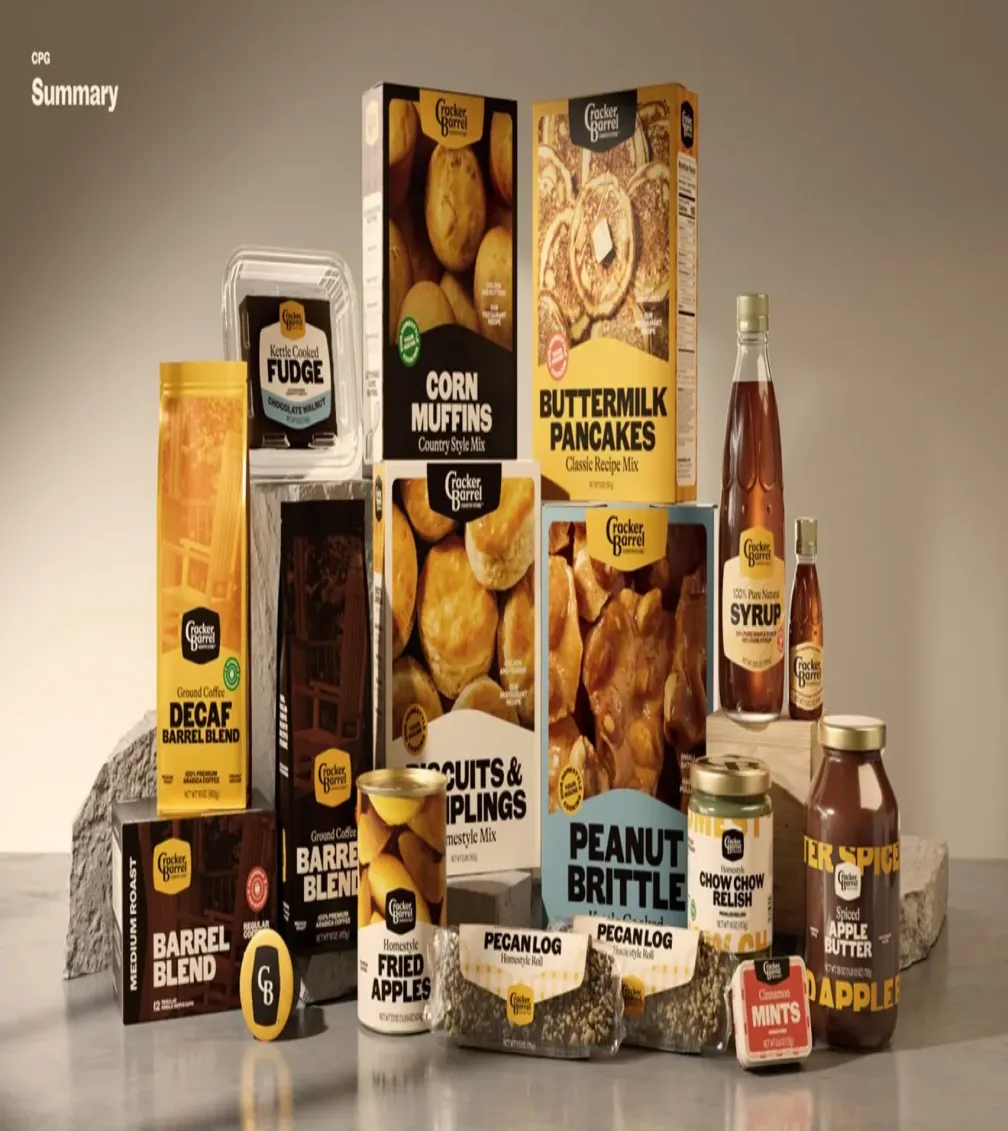
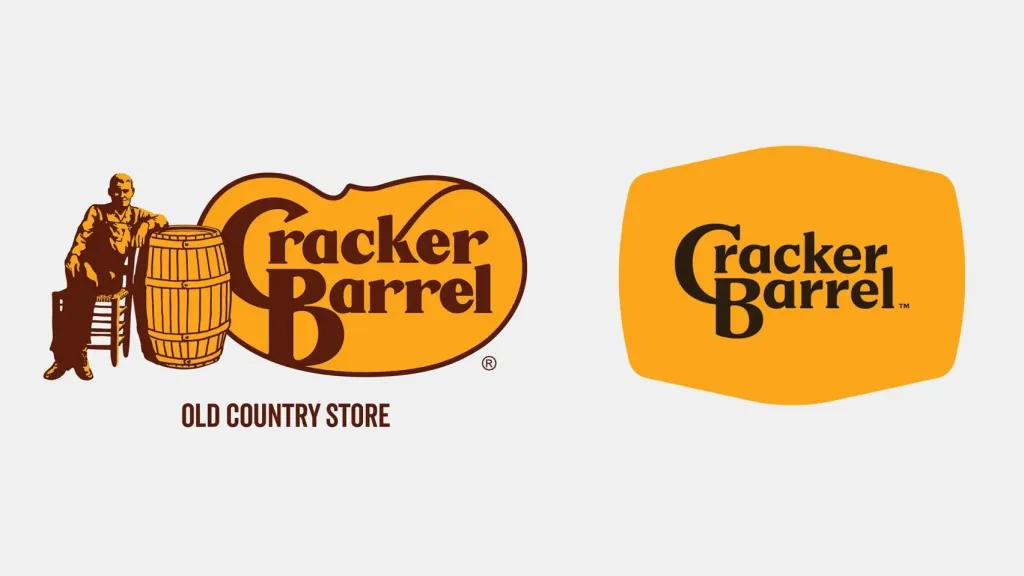
When Cracker Barrel unveiled their new logo earlier this month, the internet didn’t hold back. After rolling out a new, stripped-back logo, the backlash was swift and brutal. Uncle Herschel — the man with the barrel — was gone, and so, apparently, was a piece of Americana. People called for the nostalgic logo to return, and within days, the company caved.
But step back for a second: sales are flat, stores are closing, and the stock is down 70%. The “as-is” wasn’t working. Something had to give. On paper, a refresh made sense; sleek, modern, still recognisably Cracker Barrel, but tidied for a new era and audience. Yet what they got wasn’t curiosity or conversation, but outrage.
So why did this change hit such a big nerve?
Legacy brands like Cracker Barrel aren’t just selling pancakes and fried chicken—they’re selling a sense of familiarity, comfort, a time when things felt simpler. Some would go as far to say they’re a cultural institution. When the world feels dark (and it does right now), people cling to symbols of stability. A rebrand, even a subtle one, feels like a rug pulled out from under them.
Think about it in UK terms; Imagine if Cadbury ditched its iconic purple for a stripped-back monochrome, or if Marmite abandoned its bold black-and-yellow jar for something sleek and soulless. We’d feel that same pang, even if nothing else changed. Because brands live in our emotions as much as in the marketplace.
But here’s the real sting: it doesn’t seem like Cracker Barrel really believed in the change themselves. If they had, they’d have prepared their consumers, tested the rollout, and told the story of why now. Instead, they dropped it cold, got slammed, and pulled back. That looks less like leadership and more like panic.
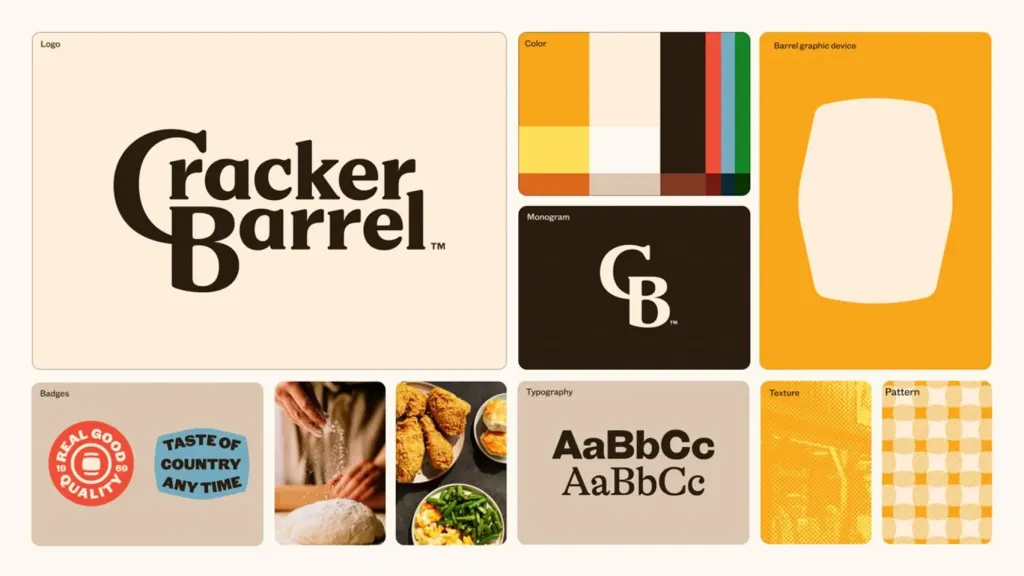
The irony I’d argue, is that the refresh still felt true to their heritage. It didn’t erase the brand’s story, it simply refined it. Clean, timeless, more adaptable and more accessible. And maybe this is the bigger lesson for brands: nostalgia is powerful, but it can’t be a business strategy. The past can inspire, but it can’t solve falling profits or attract a younger audience. Change is inevitable, and resisting it only makes it harder.
Was the timing doomed from the start?
But change is rarely welcomed with open arms. Humans resist it instinctively. We romanticise the past, even when it wasn’t as golden as we remember. We reach for what’s familiar, even when it no longer serves us. It’s easy to trap ourselves in a prison when we have chosen the walls that surround us.
It makes me wonder: if this rebrand had landed at a different moment when the news cycle wasn’t so heavy, when people weren’t craving nostalgia quite so desperately, would the reaction have been different? Was the timing doomed from the start?
There’s no easy answer. Nostalgia has value. It roots a brand in meaning and trust, it gives people a reason to feel connected. But clinging too tightly to it can stop a brand from evolving, and when the “as-is” isn’t working, standing still is rarely the answer.
If they truly need to reach a new audience and stave off falling profits, they’ll have to pick a side. You can’t please everyone, but you can fall to ruin trying. The challenge for legacy brands is to honour their past and core values, without becoming trapped by them, to step forward even when it feels uncomfortable. Because while nostalgia may soothe us in the moment, it’s curiosity and progress that keep a brand alive.